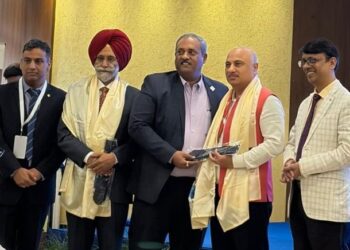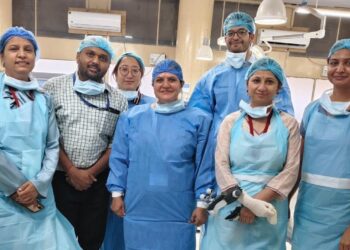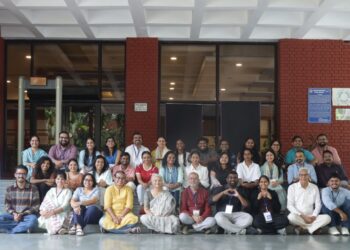



CHANDIGARH: The five-day Transdisciplinary Workshop on Participatory Action Research (PAR) successfully concluded yesterday at Hotel Parkview in Sector 24B, bringing together a diverse group of researchers, public health practitioners, and field experts.
The comprehensive workshop was meticulously organized to promote community-led, participatory, and action-oriented approaches within the field of public health research. It was hosted by the Health Equity Action Learnings (HEAL) Foundation, with crucial academic support provided by the Department of Community Medicine and School of Public Health at PGIMER Chandigarh, alongside the Institute of Public Health (IPH) in Bengaluru. The initiative was funded by the Department of Health Research under the Ministry of Health and Family Welfare, Government of India.
Emphasizing Grassroots Engagement
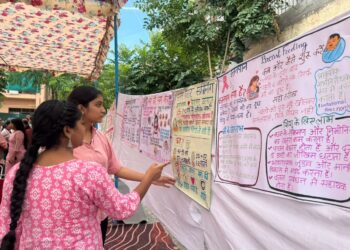
Running from October 5 to 9, the workshop featured a dynamic mix of expert sessions, practical exercises, and a dedicated community field visit. The curriculum was designed to cover essential topics, including:
-
Advanced participatory research methods and robust community engagement.
-
Navigating research ethics and power dynamics in marginalized settings.

-
Effectively translating community perspectives into actionable policy and practice.

Prominent case studies from PRAXIS and Ekjut, Jharkhand, served as major highlights during the sessions. These real-world examples effectively showcased how people-led research among marginalized communities and participatory approaches are playing a pivotal role in improving maternal and newborn health outcomes.
Expert Guidance and Future Opportunities
The workshop was steered by an extensive panel of esteemed faculty and facilitators representing deep expertise across public health and community-based interventions. The guiding experts included Dr. Rajesh Kumar, Dr. Manmeet Kaur, Dr. PVM Lakshmi, Dr. Tanya Seshadri, Dr. Tom Thomas, Dr. Dheeraj, Dr. Prasanta Tripathy, Dr. Sachin Barbde, Dr. Vikas Kumar, and Dr. Vineeth Rajagopal.
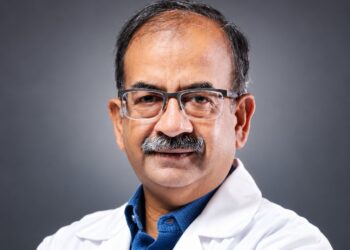
On the concluding day, participants received vital insights from Dr. Ashoo Grover, Scientist G and Head of the Division of Delivery Research at the Indian Council of Medical Research (ICMR), New Delhi, who led a highly informative session on research proposal development and navigating funding opportunities.
The event wrapped up with intensive group discussions, participant reflections, and a formal closing ceremony. The overarching consensus emphasized the absolute necessity of fostering equitable partnerships among communities, researchers, and health systems to generate evidence that informs policies, strengthens existing programs, and drives meaningful public health action.