


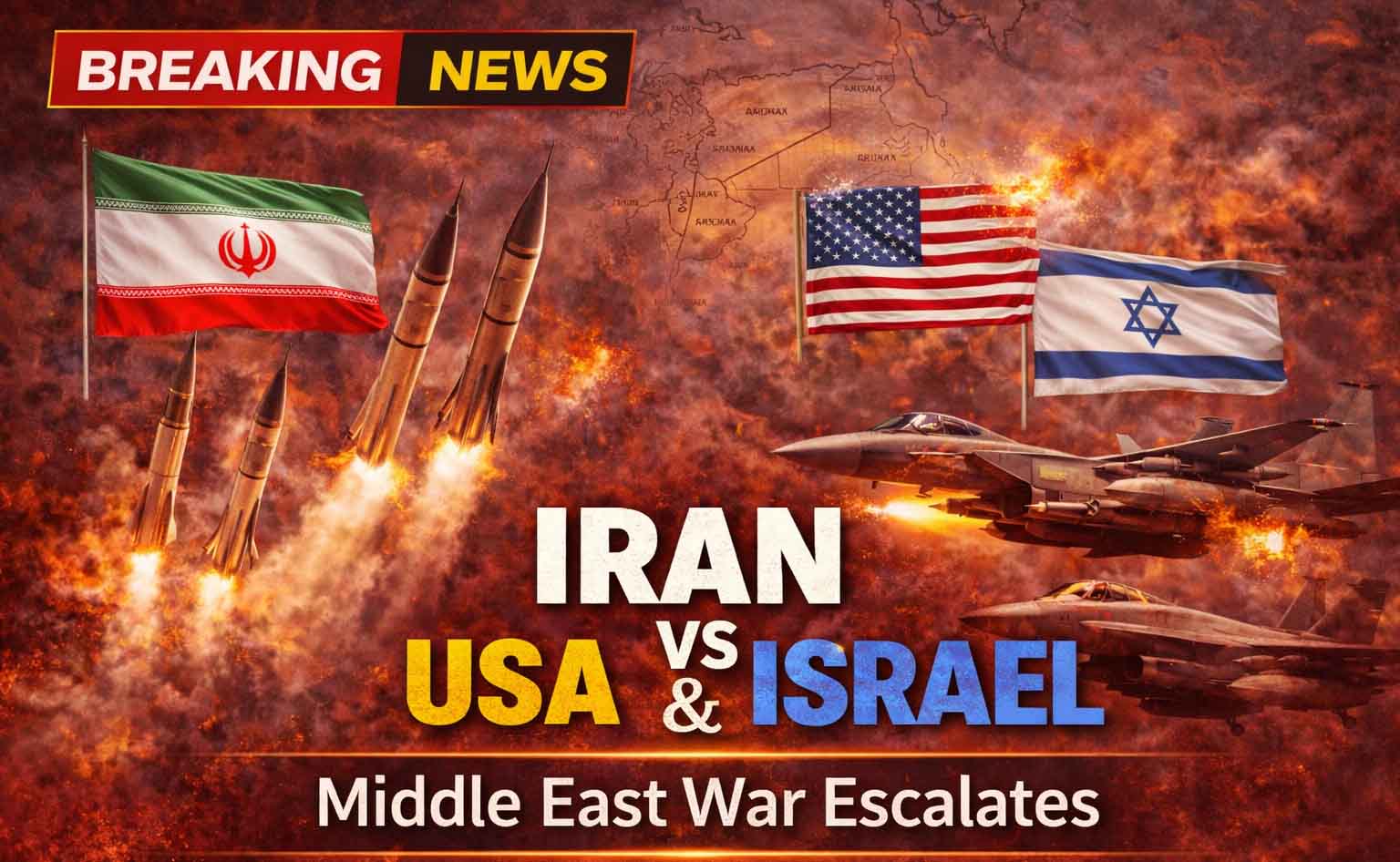
First, it is important to clarify that as of right now, there is no declared or active war between the United States and Iran. However, geopolitical and military tensions in the Middle East are currently at a critical and highly volatile level.
Here is a breakdown of the latest developments shaping the US-Iran dynamic:
1. Flashpoint in the Strait of Hormuz Recent escalations have centered around one of the world’s most critical maritime chokepoints. Iran’s Navy has issued warnings that vessels sailing through the Strait of Hormuz may require explicit Iranian approval or face potential targeting. This has put the US Navy and international shipping on high alert to protect freedom of navigation in the region.

2. Global Economic Impact The threat of disruption in the Strait of Hormuz—through which a massive portion of the world’s oil supply flows—has triggered immediate global economic reactions:
-
Oil Price Surge: WTI crude oil prices have surged past the $100 per barrel mark due to fears that emergency reserves cannot offset a major shipping blockade.
-
Market Volatility: Global stock markets, including those in the US and Asia, have seen sharp declines as investors pull back due to the geopolitical uncertainty.
3. Proxy Conflicts and Regional Posture While the US and Iran are not in direct, conventional combat, they continue to navigate a complex shadow conflict. This includes US forces monitoring and occasionally intercepting actions by Iran-aligned militia groups across the Middle East (such as in Yemen, Iraq, and Syria) to protect allied interests and military bases.