


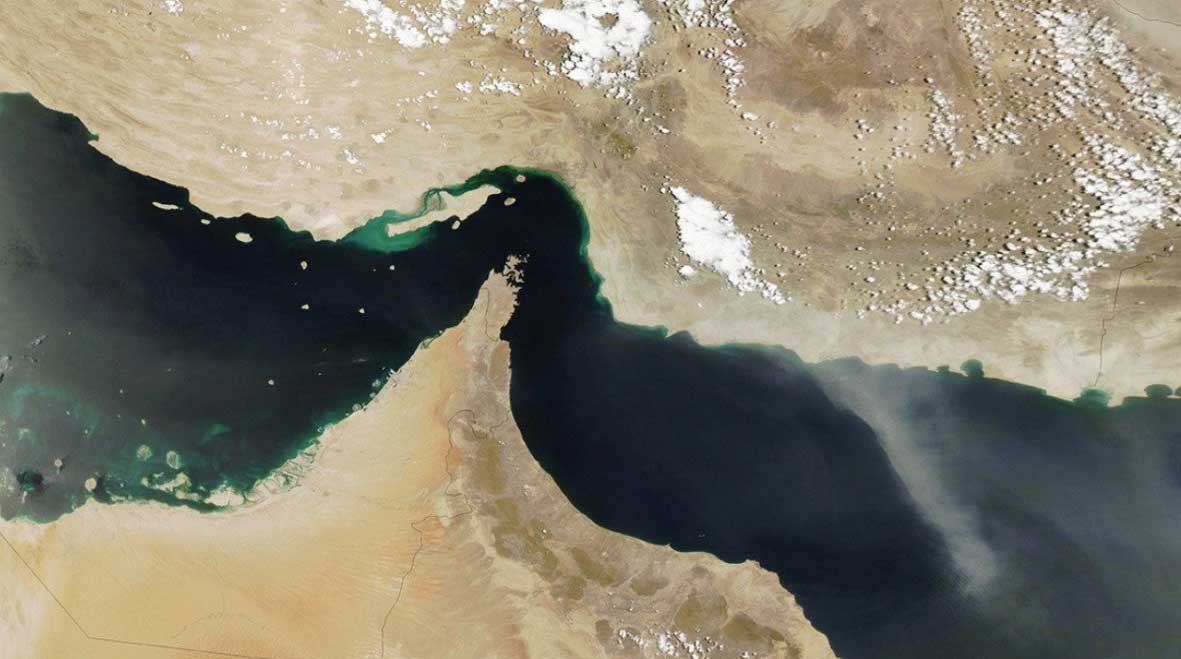
CAIRO — As the US-Israeli military campaign against Iran intensifies, the threat of Tehran following through on its warnings to close the Strait of Hormuz is sending shockwaves through global markets. Such a retaliatory move would lead to “an unprecedented global economic catastrophe,” Egyptian geopolitical and economic expert Mohamed Mehran told Sputnik in a recent interview.
The $300 Barrel Threat The Strait of Hormuz is arguably the world’s most critical maritime chokepoint for energy transit. Mehran warned that completely shutting down this narrow waterway would immediately halt the flow of millions of barrels of oil per day.
According to his analysis, this sudden and massive supply shock would severely destabilize energy markets, potentially resulting in a “mad increase in crude prices to $300 per barrel.”
A Looming Global Recession The economic consequences of such a price surge would be devastating and far-reaching. Mehran highlighted that several major economies rely heavily on the continuous flow of oil supplies through the Strait to power their industries and populations.

The nations and regions that would face the most catastrophic economic consequences include:
-
Europe
-
Japan
-
China
-
South Korea
-
India
Developing Nations at Highest Risk While major economies would suffer immense logistical and financial strain, Mehran cautioned that the fallout would disproportionately cripple poorer nations.
“Even a short-term halt in such deliveries could cause global recession, hyperinflation, and a severe energy crisis, which would hit developing countries the hardest,” Mehran warned.
With global supply chains already strained from the airspace closures and regional instability, an energy crisis of this magnitude could plunge the global economy into a prolonged depression.