


CHANDIGARH: Emphasizing the critical need for emotionally safe educational environments, the Advanced Pediatrics Centre (APC) at PGIMER, Chandigarh, organized a major stakeholder training and co-design workshop titled “Schools That Heal: Understanding Adversity, Building Resilience” on Thursday.
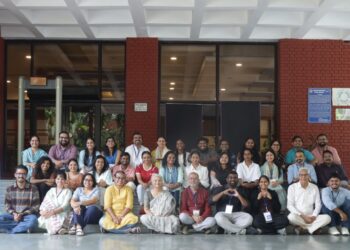
Organized ahead of World Mental Health Day and supported by the Indian Council of Medical Research (ICMR), the event was centered around the theme, “Lived Experiences Heard: Real Voices, Real Change.” The workshop successfully brought together nearly 120 school principals, teachers, counsellors, mental health experts, and youth advocates.
Shifting the Educational Perspective
Prof. Bhavneet Bharti, Head of Social Pediatrics at APC, PGIMER, and Principal Investigator of the project, outlined the profound, long-term impacts of Adverse Childhood Experiences (ACEs) on a student’s learning, behavior, and overall health. She urged educators to shift their fundamental approach from asking, “What is wrong with this child?” to understanding, “What has happened to this child?”—prioritizing empathy over punitive measures.
Key experts expanded on building robust school-based support networks:

-
Dr. Nidhi Malhotra (AIMS Mohali): Stressed the critical importance of early recognition regarding emotional and behavioral difficulties in students.
-
Dr. Prabhjot Malhi: Detailed actionable steps for creating “Trauma-Informed Schools,” demonstrating how predictable classrooms and trusting teacher-student relationships directly aid children facing adversity.
Interactive sessions on the proposed Social and Emotional Learning–Trauma-Informed Care (SEL–TIC) intervention were led by Dr. Deepika and Dr. Chandni (Amity University) alongside Dr. Manjit (MCM DAV College). These sessions focused heavily on practical coping skills, self-regulation, and resilience-building.
Integrating Youth Voices into Policy
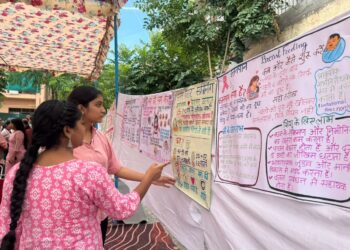
A significant highlight of the workshop was the active inclusion of young people, who shared their lived experiences regarding schooling and the emotional support they wish they had received. Their inputs underscored the necessity for schools where students feel genuinely heard, respected, and emotionally secure.
These documented suggestions, combined with recommendations from participating principals and counsellors, will be directly utilized to refine and co-design a highly contextualized SEL–TIC intervention module for regional schools.
“When we listen to young people, we understand their struggles. When we act on their voices, we begin to change their future.”
Honoring Youth Volunteers and Facilitators
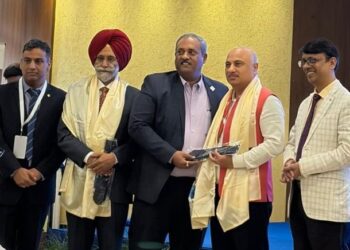
Marking the observance of World Mental Health Day, young volunteers were officially honored for their enthusiastic contributions to adolescent mental health. The felicitations were conducted by Dr. Jayanti Dutta (Professor of Human Resource Development, Panjab University), Dr. Kawalpreet (SGG College, Chandigarh), and Dr. Paramjyoti (Former Nodal Officer for School Health, Chandigarh).
Prof. Bharti highly appreciated the youth involvement, emphasizing that young people must act as active partners in creating solutions rather than just functioning as beneficiaries. Furthermore, researchers Shivani and Diksha were acknowledged for their pivotal roles in coordinating the workshop and facilitating participatory activities.
The finalized SEL–TIC intervention module developed from these discussions will subsequently be implemented and evaluated across schools under the ICMR-supported research framework.