


WASHINGTON — In a major potential escalation of the ongoing conflict, U.S. President Donald Trump’s administration is reportedly weighing the deployment of ground forces to seize Iran’s critical oil hub, Kharg Island. While military analysts suggest the operation could be executed swiftly, they warn it could leave American troops highly vulnerable and ultimately prolong the war.
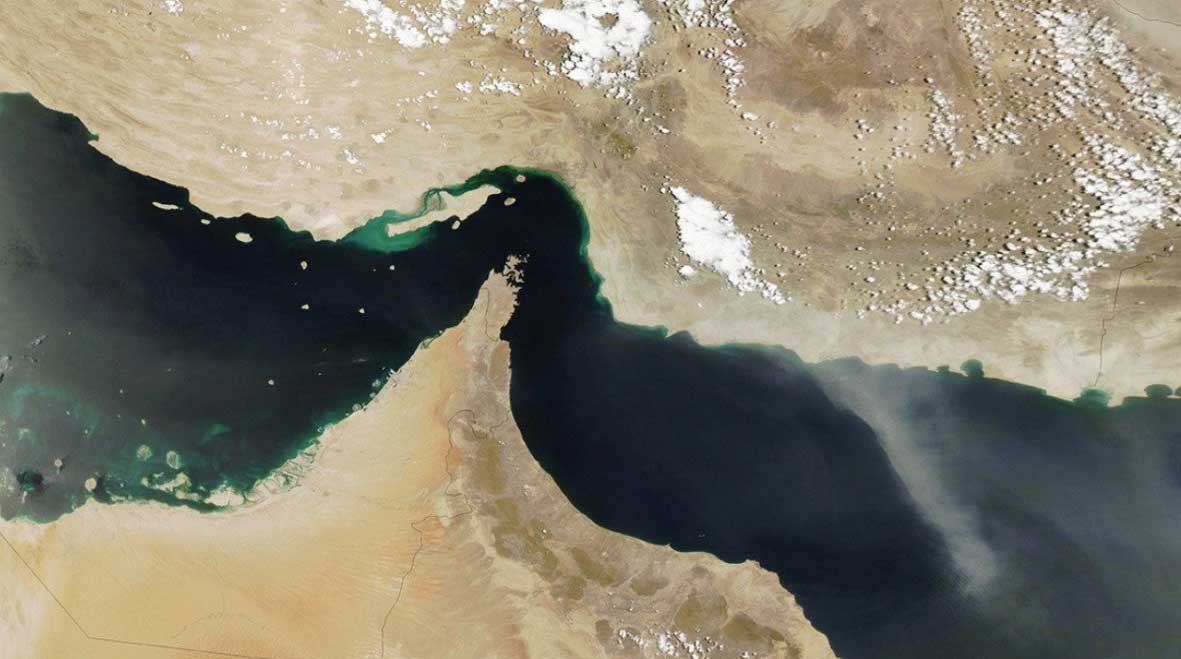
The Strategic Prize: Kharg Island Located 16 miles off Iran’s coast in the northern end of the Gulf—and about 300 miles northwest of the highly contested Strait of Hormuz—Kharg Island is the beating heart of Iran’s energy economy.
-
Economic Chokepoint: The island handles an estimated 90% of Iran’s oil exports.

-
Deep-Water Advantage: Its deep surrounding waters allow massive oil tankers to dock, which are too large to approach the shallow mainland coast.

Seizing the island would grant the United States the power to severely cripple Tehran’s energy trade, placing devastating pressure on the third-largest producer in OPEC.
Current State of Play and Troop Movements The U.S. military has already softened the target, carrying out strikes against Kharg in mid-March. Following those operations, President Trump stated that U.S. forces had “totally obliterated” military targets on the island and signaled that oil infrastructure could be next.
To provide the President with immediate options for a ground assault, the Pentagon is rapidly mobilizing forces:
-
Two contingents of Marines are expected to arrive in the region by the end of the month.
-
Military sources indicate plans to deploy thousands of airborne troops to the theater.
High Risks: Drones, Mines, and Vulnerability Despite the military capability to capture the island, defense experts are raising alarms about the aftermath, especially with U.S. midterm elections looming in November.
Ryan Brobst and Cameron McMillan from the Foundation for Defense of Democracies (FDD) warned that an occupation is “more likely to expand and extend the war than it is to deliver any sort of decisive victory.” They highlighted severe risks, including:
-
Drone Warfare: U.S. troops would be exposed to relentless missile and lethal “first-person view” drone attacks.
-
Propaganda: Successful strikes against U.S. forces could be weaponized as graphic online propaganda by the Iranian regime.
-
Retaliation: Tehran could heavily mine the coastal waters and shipping lanes, further disrupting the already paralyzed global shipping network.
Former commander of the U.S. Central Command, Gen. Joseph Votel, echoed these concerns. He noted that while taking the island might only require 800 to 1,000 troops, the logistical supply lines needed to sustain them would be incredibly difficult to protect.
“It would be kind of an odd thing to do … But we could certainly do it if we had to,” Votel stated, doubting the maneuver would provide any definitive tactical advantage.