

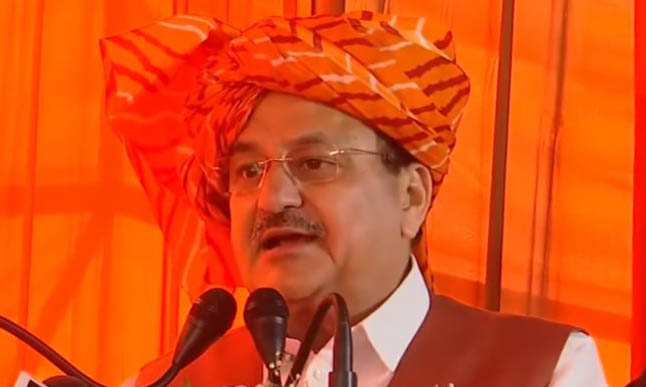
NEW DELHI — Union Health Minister J.P. Nadda on Tuesday highlighted India’s shift towards a holistic healthcare approach to tackle the growing burden of non-communicable diseases (NCDs), stressing the need to move from prevention to comprehensive care. He addressed a session titled “Addressing Non-Communicable Diseases in India: From Preventive to Care” during the Civil Services Day celebrations.
Nadda stated that nearly 60 per cent of deaths in India are linked to NCDs, underlining the urgency of strengthening early detection, infrastructure, and public awareness. He noted significant screening milestones achieved since 2017:
-
Hypertension: Over 41.5 crore people screened

-
Diabetes: 41.3 crore screened
-
Oral Cancer: 35.3 crore screened
-
Breast Cancer: 16.5 crore screened

Highlighting healthcare expansion, the minister shared that the country now boasts 880 medical colleges and 23 AIIMS, alongside an allocation of ₹64,000 crore to bridge gaps between primary and secondary healthcare systems.
Focus on Preventive Healthcare and Lifestyle
Emphasising preventive healthcare, Nadda pointed out that nearly 70 per cent of NCD risk factors are linked to lifestyle choices. He cited government initiatives like the Eat Right India and Fit India Movement, which promote healthier diets and physical activity. He also highlighted the vital role of telemedicine through the eSanjeevani platform, which has facilitated over 46.4 crore consultations, particularly benefiting rural populations.
Union Health Secretary Punya Salila Srivastava stressed a multi-pronged strategy to combat NCDs, focusing on prevention, behavioural change, and community participation. She flagged rising obesity levels, citing NFHS-5 data showing that 24 per cent of women and 23 per cent of men are overweight or obese, and called for urgent dietary and lifestyle interventions.
The government is actively promoting awareness through initiatives such as the “75×25” campaign and the Swasth Nari, Sashakt Pariwar Abhiyan, alongside school and workplace wellness programmes. Experts at the session echoed the sentiment, underscoring the importance of early screening and sustained preventive efforts to reduce the country’s long-term disease burden.