

NEW DELHI — India is rapidly positioning itself as a global electro-tech manufacturing hub to secure its energy sovereignty, according to a newly released report by the World Economic Forum (WEF). The report highlights that India is forging a unique, low-carbon path, effectively bypassing the fossil fuel-heavy industrialization trajectories previously taken by the West and China.
Instead of relying heavily on coal and oil, India is driving its industrialization through low-cost solar power and battery technology. This rapid transition is catching the attention of other emerging markets, who are closely watching India’s “fast track to a superior energy future.”
Key Comparisons and Milestones:
-
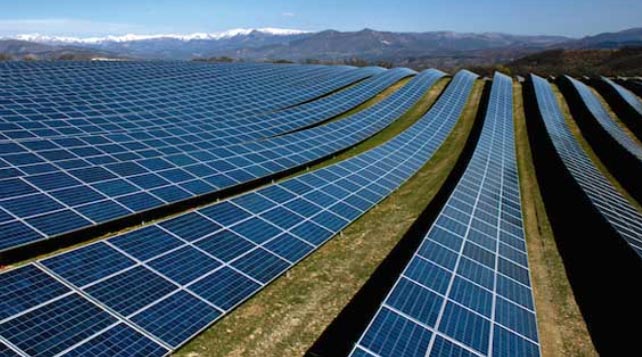
The Solar Advantage: In 2025, India generates approximately 9 percent of its electricity from solar energy and uses barely a quarter of the coal per capita compared to China. India is already approaching its coal generation peak. In stark contrast, when China was at a similar developmental stage in 2012, its solar capacity was negligible.

-
Flipping the Economics: When China crossed 1,500 kWh of electricity consumption per capita, coal was ten times cheaper than solar. Today, as India hits that same threshold, solar power combined with storage costs about half as much as new coal.
-
Leading the EV Charge: Electric vehicle adoption is accelerating sharply, nearing 5 percent of car sales. Notably, India leads the world in the three-wheeler segment, with electric models capturing nearly 60 percent of the market.
-
Efficient Consumption: India’s road oil demand sits at just 96 litres per capita—about half of China’s at a comparable stage—and is unlikely to rise significantly. Meanwhile, electricity now accounts for nearly 20 percent of final energy consumption, matching China at comparable income levels.

A Manufacturing Boom
This policy push toward renewable energy is sparking a massive manufacturing boom. India’s electronics industry, described by the report as the “gateway to electro-tech,” has expanded nearly six-fold over the past decade to reach a valuation of $130 billion.
The advanced capabilities initially developed for smartphone manufacturing are now being successfully extended to green technology. Solar module production has skyrocketed twelve-fold to 120 GW, providing more than enough capacity for domestic self-sufficiency. Furthermore, cell manufacturing has grown from virtually non-existent a decade ago to 18 GW today, with battery and EV manufacturing rapidly catching up.
“India is positioning itself to supply electro-tech to the world,” the WEF report concluded.