


CHANDIGARH: Transitioning artificial intelligence from classroom theory to hands-on research practice, the Centre for Skill Development & Entrepreneurship (CSDE) at Panjab University successfully concluded its five-day Skill Enhancement Course on “AI-Augmented Research Analytics using Advanced Excel and Python” on Saturday.
The comprehensive 30-hour program, held from May 19 to 23, 2026, aimed to equip research scholars and faculty members with essential skills in utilizing Advanced Excel, Python, and various AI tools for data-driven academic research. The curriculum deeply focused on data cleaning, analysis, visualization, predictive analytics, dashboarding, generative AI, chatbot development, and AI-assisted application development.
Participants were encouraged to view these technical tools not as isolated software, but as integral components of a unified research workflow. The training emphasized practical competence, reproducibility, and the responsible use of technology—moving seamlessly from organizing raw data to building visual evidence and communicating findings with clarity.
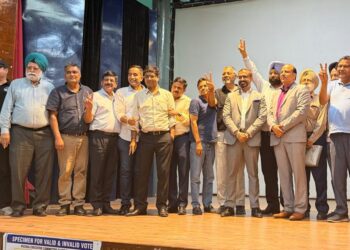
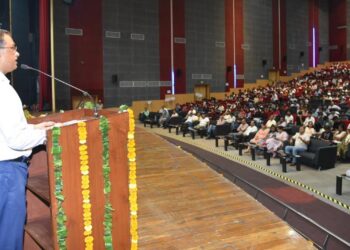
Mr. Harshvir Singh, Managing Director of Drish Infotech Ltd., graced the valedictory ceremony as the Chief Guest. In his address, he stressed that AI and data analytics have evolved from optional capabilities to absolute necessities for researchers and young professionals. He noted that the future workplace will reward those who can effectively combine domain knowledge with digital fluency, problem-solving abilities, and dependability.

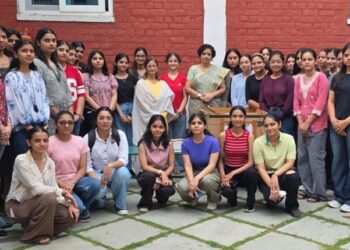
Welcoming the attendees, Prof. Suveera Gill, Honorary Director of CSDE, explained that the course was meticulously designed to build confidence in handling data rather than merely introducing new software. She highlighted the central philosophy of the program: AI-augmented research means technology supports the researcher but does not replace academic judgment.
Prof. Gill added that modern research increasingly requires scholars to be comfortable with computation and AI-supported workflows while remaining firmly anchored in methodological rigor and academic integrity. The program concluded with a powerful message that the future of research will belong to those who can utilize AI responsibly, critically, and creatively.